If you want a coastal lifestyle that feels both relaxed and refined, Coronado stands out right away. It offers beaches, bay access, distinctive architecture, and a daily rhythm that feels more village-like than most larger coastal areas. If you are thinking about buying, selling, or simply getting to know the market, understanding how Coronado lives day to day can help you see why it remains one of San Diego’s most recognizable waterfront communities. Let’s dive in.
Why Coronado Feels Different
Coronado is a small seaside city bounded by San Diego Bay and the Pacific Ocean. It is connected to the mainland by the San Diego-Coronado Bridge and the Silver Strand, which helps create a setting that feels separate without feeling isolated.
The city reports about 13.5 square miles, roughly 23,000 resident and Navy population, and around two million visitors each year. That mix helps explain why Coronado feels both residential and destination-oriented at the same time.
In daily life, that geography matters. The island’s layout supports a more compact, water-oriented routine, with bayside parks, beaches, walking paths, and ferry access shaping how many people experience the area.
Coronado Architecture Has Real Character
One of Coronado’s biggest draws is how visually coherent it feels. Unlike many coastal markets shaped by larger towers and inconsistent scale, Coronado has a low-rise profile that lets its architecture stay front and center.
A major reason is the city’s 40-foot height limit, approved by voters in 1972. According to the city’s historic context statement, future development was expected to remain below three stories and 40 feet, which helps preserve the island’s lower skyline.
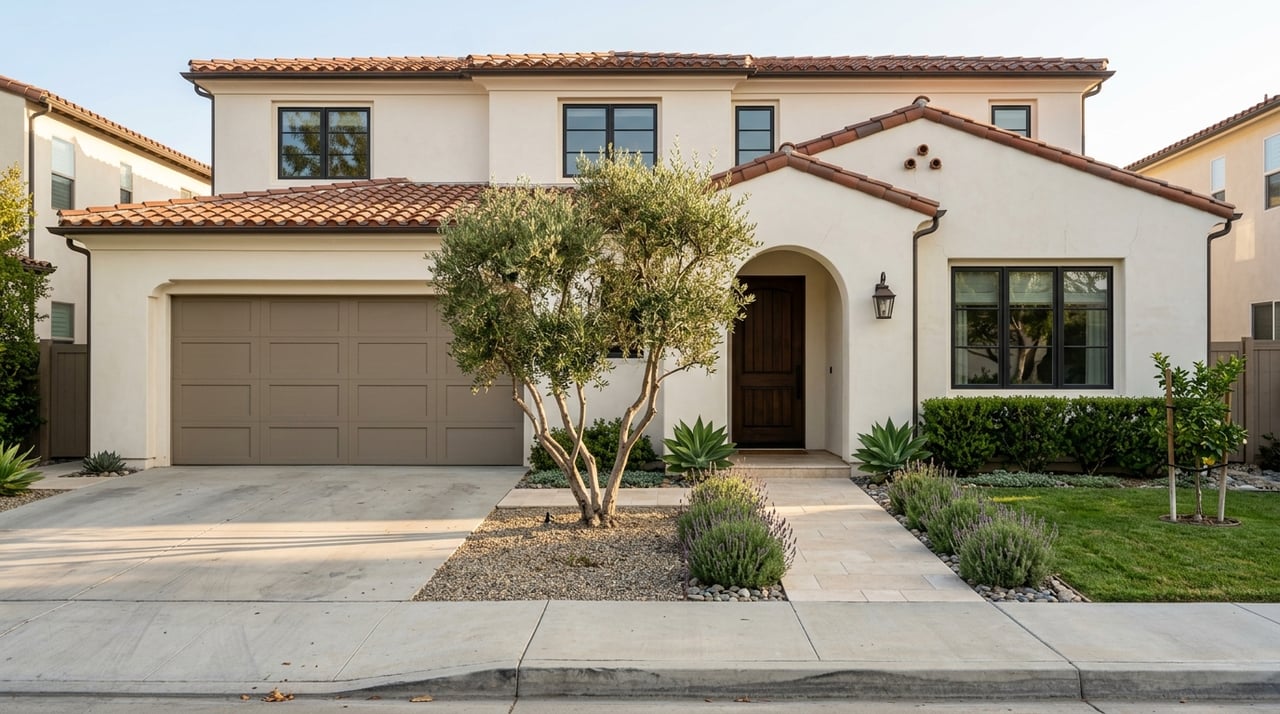
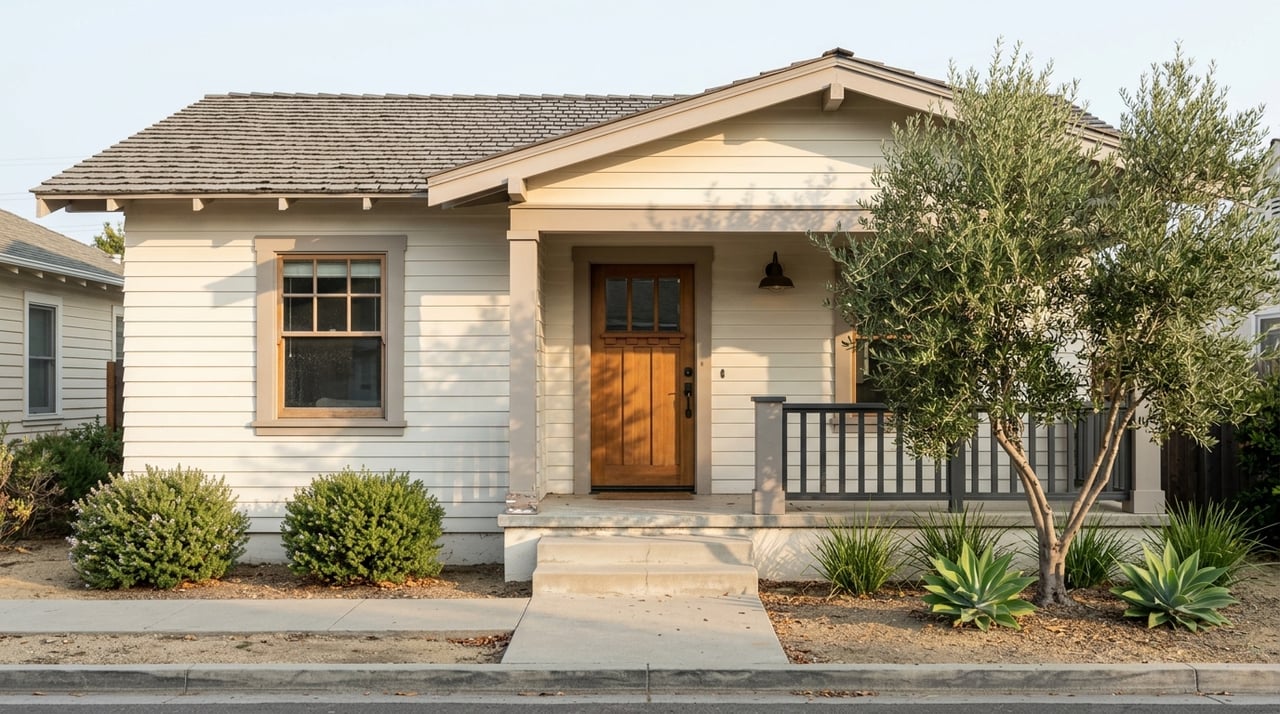
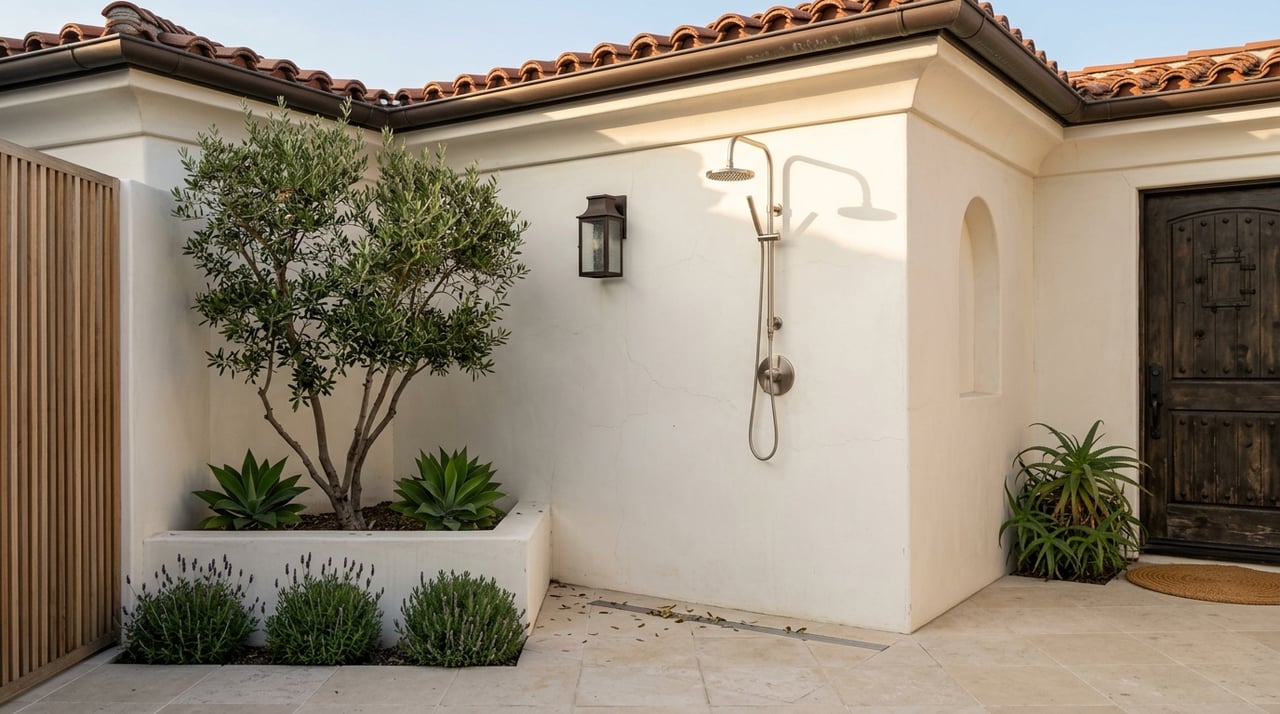
That lower scale makes it easier to notice the details in Coronado’s homes and streetscapes. The city identifies a wide range of residential styles, including Queen Anne, California Bungalow and Craftsman, Dutch Colonial Revival, Colonial Revival, Mission Revival, Tudor Revival, Mediterranean Revival, Beach Cottage, and Mid-Century Modern.
For you as a buyer or homeowner, that means Coronado is not a one-note housing market. You can find ornate historic homes with turrets and porches, simpler bungalow forms, stucco homes with arches and tile roofs, and later-era residences with a cleaner modern look.
The streetscape also feels orderly. The city survey notes that many residential blocks have a uniform setback, which creates a sense of consistency even when architectural styles vary from one home to the next.
What Homes You’ll Find in Coronado
Coronado’s housing stock is broader than many people first assume. While single-family homes often define the island’s image, the city also notes condos, duplexes, mixed-use residences, small apartment buildings, accessory dwelling units, alley houses, and bungalow courts.
In plain terms, the main housing categories include older homes on the village grid, cottages and bungalows, condos near Orange Avenue and the ferry landing, tower condominiums at Coronado Shores, and waterfront-oriented homes in Coronado Cays. Each offers a very different living experience.
That matters if you are comparing lifestyle fit, maintenance level, and proximity to the beach, bay, or commercial areas. In Coronado, location often shapes your routine just as much as the home itself.
Neighborhood Feel Across Coronado
Village and Orange Avenue
The Village and Orange Avenue core are central to Coronado’s everyday convenience. This area blends older homes, shops, restaurants, and some residential-over-retail patterns, especially closer to the ferry landing.
Orange Avenue has long served as the island’s main commercial spine. In practical terms, that means errands, dining, and casual browsing are concentrated in a compact corridor rather than spread across multiple large shopping zones.
If you value walkability and a classic small-town coastal feel, this part of Coronado often delivers that experience most clearly. It also carries much of the island’s historic character.
Coronado Shores
Coronado Shores is the island’s best-known higher-density residential area. It is defined by condominium towers and a more resort-style beachfront profile.
For some buyers, that creates a strong lock-and-leave appeal and direct connection to the beach environment. It also feels distinct from the lower-scale village grid found in much of the rest of Coronado.
Coronado Cays
Coronado Cays sits along the Silver Strand and has a more planned waterfront identity. The area is known for waterfront-oriented housing, marinas, and a neighborhood structure that feels different from older central Coronado.
If your idea of island living includes a marina setting and a more specialized waterfront environment, the Cays may stand out for exactly that reason. It offers a separate rhythm from the Village while still being part of the broader Coronado experience.
Beaches Are Part of Everyday Life
In Coronado, the beach is not just scenery. It is part of the city’s civic infrastructure and daily routine.
The city identifies Central Beach, North Beach, and South Beach as part of its beach system. It also manages practical features like beach fire rings, event permitting, and lifeguard-related beach information, which shows how deeply beach use is woven into local life.
For you, that means beachgoing here can feel accessible and routine rather than occasional. Whether you want morning walks, sunset time by the water, or a weekend gathering, the setting supports regular use.
Parks, Paths, and Bay Access
Coronado’s outdoor lifestyle goes well beyond the oceanfront. The city lists public parks including Bayview Park, Centennial Park, Coronado Cays Park, Glorietta Bay Park, Mathewson Park, Spreckels Park, Star Park, and Sunset Park.
The broader waterfront network adds even more options. The Port of San Diego highlights Coronado Tidelands Park, Grand Caribe Shoreline Park, and the Glorietta Bay Boat Launch, which accommodates boats, kayaks, paddleboards, and rowing sculls.
The city also notes dedicated bike and walking paths. That helps make Coronado feel especially navigable at a neighborhood scale, with many daily outings shaped by walking, biking, or getting out on the water.
The Village Convenience Factor
A big part of Coronado’s appeal is how much daily life can revolve around a relatively compact area. Orange Avenue remains the main commercial corridor, and the ferry landing adds another useful hub for shops, restaurants, and bayfront atmosphere.
The ferry also strengthens Coronado’s connection to downtown San Diego. The Port of San Diego says the trip between downtown San Diego and Coronado Ferry Landing takes about 15 minutes one way, which gives you another way to move between the island and the city.
That combination is part of what makes Coronado distinctive. You get a place that feels like a getaway, while still staying meaningfully connected to the larger San Diego region.
Resort Influence Shapes the Lifestyle
Hotel del Coronado remains one of the island’s defining landmarks. The hotel reports that it has welcomed guests since 1888, became a National Historic Landmark in 1977, and completed a more than $550 million restoration on June 18, 2025.
That presence does more than add visual identity. It reinforces Coronado’s resort-adjacent atmosphere, where historic architecture, beachfront access, and visitor energy all play a role in how the island feels.
For buyers, that can translate into a lifestyle with a polished coastal tone that feels hard to replicate elsewhere. For sellers, it helps explain why Coronado often carries a strong identity in the minds of both local and out-of-area buyers.
Why Buyers and Sellers Pay Attention to Coronado
Coronado appeals to many people because it combines several features that do not often show up together. You have a low skyline, recognizable architecture, public beach access, bay access, a compact commercial spine, and a setting shaped by both history and waterfront living.
If you are buying, that means it is worth looking closely at micro-locations and housing types rather than treating Coronado as one single experience. Living near Orange Avenue feels different from living at the Shores or in the Cays, even though all are part of the same city.
If you are selling, Coronado’s value often goes beyond square footage alone. Buyers may also be responding to architectural style, street presence, walkability, beach proximity, or the island’s distinctive low-rise setting.
A thoughtful real estate strategy matters in a market like this. When the lifestyle is as important as the property itself, clear positioning and strong local context can make a real difference.
If you are exploring a move to Coronado or considering the right strategy for a sale, L. Russell Gray offers buyer and seller representation, home valuation, property search, and negotiation support with a calm, strategic approach.
FAQs
What makes Coronado architecture distinctive?
- Coronado stands out for its low-rise scale and variety of home styles, including Queen Anne, Craftsman, Mission Revival, Mediterranean Revival, Beach Cottage, and Mid-Century Modern, as identified by the City of Coronado.
What types of homes can you find in Coronado?
- Coronado includes older single-family homes, cottages, bungalows, condos near the Village and ferry landing, tower condos at Coronado Shores, and waterfront-oriented homes in Coronado Cays, along with other residential formats noted by the city.
What are the main beach areas in Coronado?
- The City of Coronado lists Central Beach, North Beach, and South Beach as key parts of the local beach system.
Is Coronado walkable for daily life?
- In and around Orange Avenue, the ferry landing, and the beach-bay corridor, Coronado supports a strongly local pattern with dedicated bike and walking paths and a compact neighborhood scale.
What is Orange Avenue in Coronado known for?
- Orange Avenue is Coronado’s historic commercial spine, with shops, restaurants, and mixed-use patterns that make it a central part of everyday errands and dining.
How does Coronado connect to downtown San Diego?
- Coronado connects by the San Diego-Coronado Bridge, the Silver Strand, and ferry service between downtown San Diego and Coronado Ferry Landing that the Port of San Diego says takes about 15 minutes one way.