Looking for an Ocean Beach home with real personality? If you are drawn to front porches, low-slung rooflines, original windows, and homes that feel connected to San Diego’s coastal history, Ocean Beach cottages and bungalows deserve a closer look. These properties offer more than charm alone. They reflect how Ocean Beach grew, how it lives today, and what buyers and sellers should understand before making a move. Let’s dive in.
Why Ocean Beach character homes stand out
Ocean Beach has long held a distinct place among San Diego’s coastal communities. The City of San Diego describes it as a small community that preserves individuality and creativity within a traditional Southern California beach-town setting. That setting helps explain why older cottages and bungalows still play such a visible role in the neighborhood.
The community plan shows that much of Ocean Beach is low- and medium-density residential. As a result, smaller homes, duplexes, bungalow courts, and later infill properties all exist side by side. For you as a buyer or seller, that means Ocean Beach is not defined by one housing type alone. Its character homes are part of a broader, layered market.
Ocean Beach housing history
Ocean Beach developed as a former seashore resort and vacation-home area, with major growth taking place between 1887 and 1931. That historical arc still shows up in the streetscape today. Many of the neighborhood’s older homes were built at a modest scale and designed for practical coastal living.
Early residential forms ranged from simple shacks and tents to framed cottages and bungalows. Over time, the area added duplexes, small apartment buildings, bungalow courts, and postwar housing. This mix is part of what gives Ocean Beach its visual rhythm. You may see a compact early cottage on one block and a later infill building nearby.
Today, the city also recognizes the Ocean Beach Cottage Emerging Historical District as a voluntary legacy district with about 3,000 parcels and 72 designated contributing resources. That is an important distinction because not every older home in Ocean Beach is regulated the same way.
What defines an OB cottage or bungalow
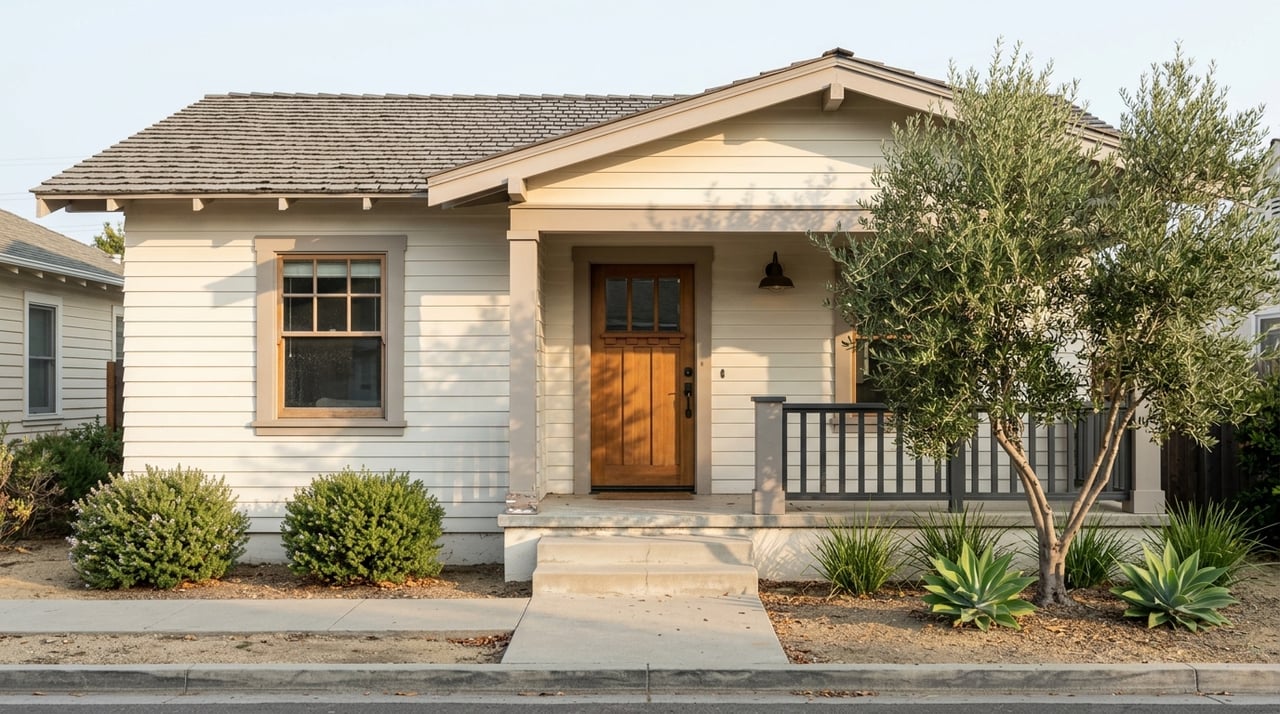
Most Ocean Beach cottages and bungalows share a simple, human-scale feel. These homes are usually one or one-and-a-half stories and often feature low-pitched roofs, broad eaves, and prominent front porches. Their compact footprints are part of their appeal.
Many also include details that make them feel handmade and climate-responsive rather than formal or ornate. Common exterior cues can include exposed rafters or brackets, wood shingle or lap siding, stucco finishes, and simple window patterns. These are often the features that make buyers pause and say, “This feels like Ocean Beach.”
Inside, the layouts are usually efficient. Floor plans are often rectangular, and the front door may open directly into the living area or a combined living-dining space. Instead of formal separation between rooms, these homes tend to prioritize practical flow and everyday livability.
Common styles in Ocean Beach
Craftsman cottages
Craftsman homes are one of the most recognizable character-home types in Ocean Beach. Local historic materials describe them with gabled roofs, overhanging eaves, exposed rafter tails, and simple wood windows such as one-over-one double-hung or casement styles.
If you like homes that feel warm, grounded, and handcrafted, this style often delivers. The appeal usually comes from proportion and detailing rather than size. Even modest homes can feel rich in personality.
Spanish Revival bungalows
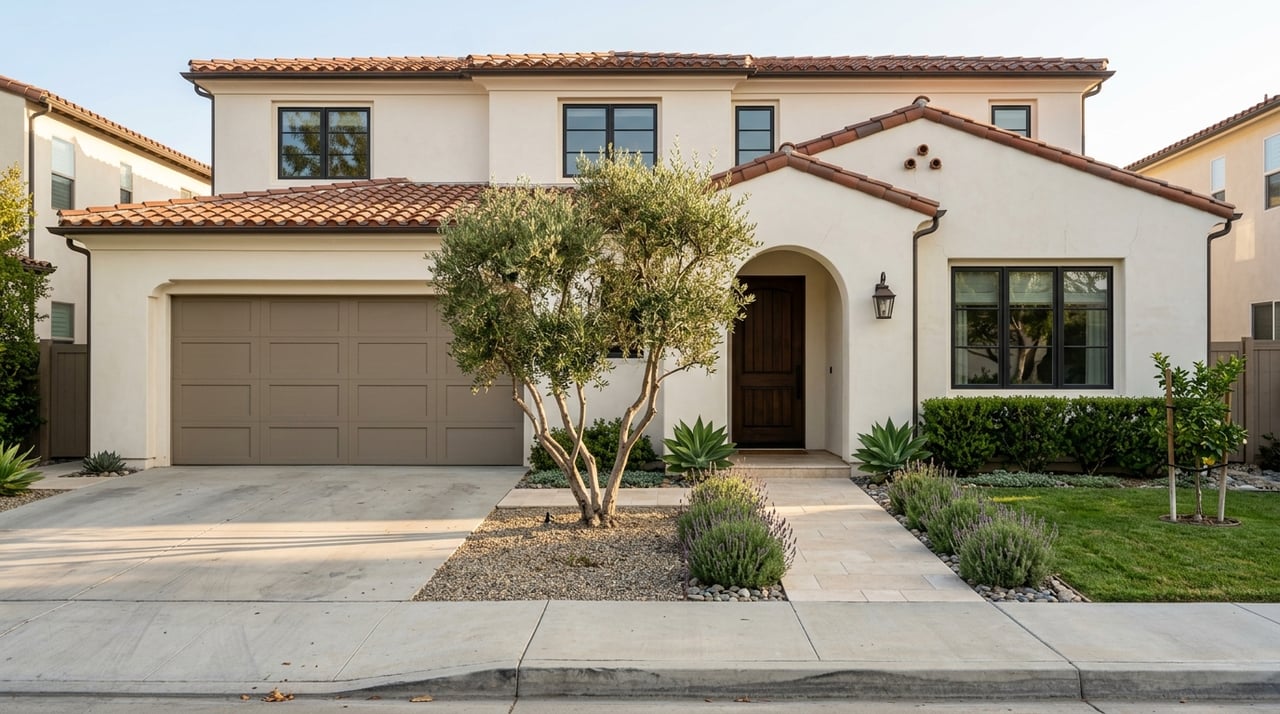
Spanish Revival homes began appearing more often in the mid-1920s. In Ocean Beach, these properties may include stucco walls, flat roofs with parapets, or gabled clay-tile roofs.
This style gives a different expression of coastal character. Where Craftsman homes often feel woodsy and artisanal, Spanish Revival homes tend to read as sun-washed and Mediterranean. Both styles fit naturally within Ocean Beach’s older housing stock.
Why buyers are drawn to these homes
For many buyers, the appeal comes down to three things: scale, story, and setting. Ocean Beach cottages and bungalows are often modest in size, but they can offer original details and a stronger sense of identity than larger, more standardized homes.
These properties also connect you to the area’s early resort history. That does not mean every home is untouched or historically designated. It does mean many of them carry design features that are harder to replicate in newer construction.
If you value architecture and neighborhood identity as much as square footage, Ocean Beach character homes can be especially compelling. They often attract buyers who want a more personal living experience, not just a list of specs.
What sellers should understand
If you own a cottage or bungalow in Ocean Beach, your home’s value story is often tied to its original craftsmanship and visible period details. Features like porch design, roof shape, siding, window pattern, and exterior scale can influence how buyers perceive authenticity and charm.
That is why incompatible alterations may soften appeal. Buyers looking for character homes are often responding to the very details that make the property feel rooted in place. Preserving or thoughtfully presenting those features can strengthen your home’s market position.
A strategic selling approach should balance design sensitivity with practical market preparation. Clean presentation, clear documentation, and a strong understanding of what makes your property distinct can matter just as much as square footage.
Renovation rules to know
If you are buying or updating an older home in Ocean Beach, it is wise to understand San Diego’s preservation review process early. The city states that its Historic Preservation Planning section reviews permits for parcels containing structures that are 45 years old or older, unless an exemption applies.
If a property is a designated historic resource or is within a regulated historic context, additional review may be required. In some cases, that can include a Site Development Permit for historical purposes. Some minor alterations may be exempt if they remain consistent with the Secretary of the Interior’s Standards.
The key point is simple: age alone does not tell you everything. Before planning changes, you will want to confirm whether a home is designated and how the city views the proposed work.
The Ocean Beach Cottage district explained
One of the most common points of confusion is the Ocean Beach Cottage Emerging Historical District. This is not a standard historic district where every parcel is regulated the same way.
According to current city materials, it is a voluntary legacy district. Only designated contributing properties are currently regulated in that way, while the broader community plan area is not treated as if every older home automatically falls under district controls.
For you, that means preservation implications can vary from one property to the next. Two homes with similar age and style may not face the same review path if one is designated and the other is not.
Features worth preserving
When buyers and planners talk about character, they are usually looking at the visible exterior elements that define the home’s period and scale. In Ocean Beach, the features most worth protecting often include:
- Front porches
- Roof shape and pitch
- Exposed eaves or rafters
- Original window pattern
- Siding or stucco materials
- Overall height, massing, and articulation
Local planning materials also emphasize small-scale neighborhood character, material reuse where possible, and additions that respect surrounding historic buildings. If you are updating a home, a measured approach usually serves both long-term value and neighborhood fit.
Mills Act potential for designated homes
If a property is already locally designated as a historic resource, there may be an additional benefit to explore. San Diego’s Mills Act program offers a property-tax incentive in exchange for preservation and rehabilitation of historic features.
The city accepts Mills Act applications each year from January 1 through March 31. To be eligible, the property must already be locally designated by December 31 of the prior year.
This will not apply to every Ocean Beach cottage or bungalow. Still, for owners of designated properties, it can be an important part of the long-term ownership conversation.
How to evaluate an Ocean Beach character home
If you are considering a purchase, it helps to look beyond charm alone. A disciplined review should include both architectural appeal and practical decision-making.
Here are a few smart questions to ask:
- Is the property officially designated or simply older in age?
- Which original features appear intact?
- Have prior updates respected the home’s scale and style?
- Could future renovation plans trigger historic review?
- Does the layout fit how you actually live today?
For sellers, these same questions can help shape pricing, positioning, and pre-listing preparation. The more clearly you understand the home’s character and constraints, the better your strategy can be.
Character homes in a changing market
Ocean Beach remains a mixed housing environment, not a single-style enclave. Its housing stock includes cottages, bungalows, duplexes, small apartment buildings, and later housing types. That variety is part of what keeps the neighborhood dynamic.
Within that broader mix, cottages and bungalows continue to stand out because they offer a strong sense of place. They are often smaller, older, and more detail-driven than surrounding inventory. For the right buyer, that is exactly the point.
If you are thinking about buying or selling an Ocean Beach cottage or bungalow, you need more than general market knowledge. You need a clear read on architecture, property context, and how character translates into value. For strategic guidance on Ocean Beach and San Diego’s coastal neighborhoods, connect with L. Russell Gray.
FAQs
What makes Ocean Beach cottages and bungalows different from other homes in Ocean Beach?
- Ocean Beach cottages and bungalows are typically older, smaller-scale homes with features like porches, low-pitched roofs, broad eaves, and original exterior details that reflect the neighborhood’s early development.
Are all older Ocean Beach homes part of a historic district?
- No. The Ocean Beach Cottage Emerging Historical District is a voluntary legacy district, and only designated contributing properties are currently regulated in that way.
What architectural styles are common in Ocean Beach character homes?
- Craftsman and Spanish Revival are two of the most common styles identified in local historic materials for Ocean Beach cottages and bungalows.
Do renovations on older Ocean Beach homes need city review?
- They can. San Diego reviews permits for parcels with structures that are 45 years old or older unless an exemption applies, and designated historic resources may require additional review.
What features add value to an Ocean Beach bungalow or cottage?
- Buyers often respond to visible period details such as front porches, roof shape, exposed eaves, original window patterns, and siding or stucco materials.
Can an Ocean Beach historic home qualify for a tax incentive?
- Possibly. Owners of locally designated historic resources may be eligible for San Diego’s Mills Act program if the property meets the city’s requirements and timing rules.